

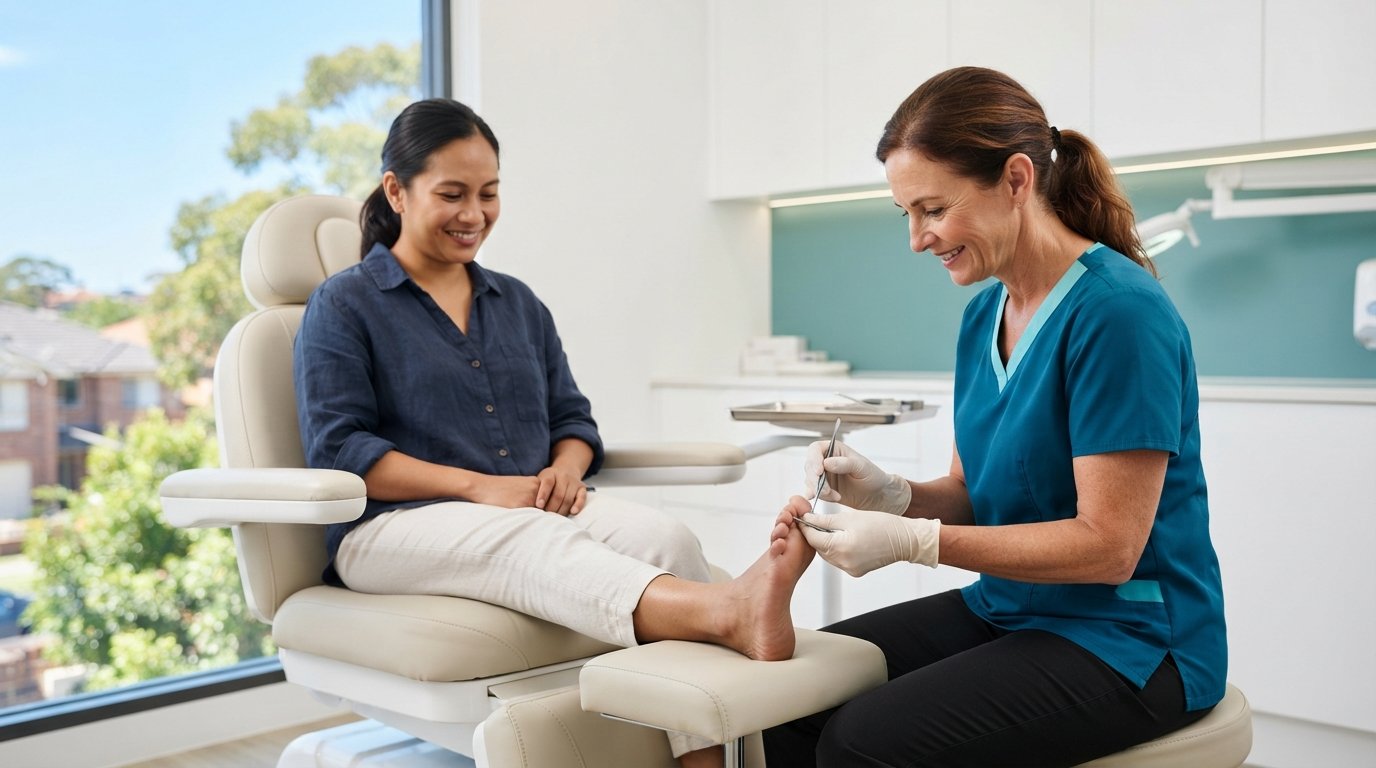
Imagine waking up and dreading the simple act of putting on your favourite pair of shoes because of a sharp, throbbing pressure in your big toe. You’ve likely tried soaking it in salt water or perhaps even attempted a bit of “bathroom surgery” with nail clippers, only for the redness and infection to return just a few weeks later. It’s incredibly frustrating when a minor nail issue starts to dictate your daily mobility and comfort. If you’re searching for a podiatrist ingrown nail specialist, you aren’t just looking for a quick trim; you’re looking for an end to the cycle of pain and the anxiety that comes with it.
At Active Footcare, we understand that the thought of clinical procedures can be daunting, which is why we prioritise a gentle, patient-focused approach. This guide will show you how professional podiatry care can provide a permanent solution through advanced techniques like Partial Nail Avulsion (PNA), which boasts a success rate of over 95 percent. Whether you visit our clinic in Liverpool or require a professional home visit in Sydney, we’ll walk you through the process of achieving immediate relief and long-term recovery in a supportive, modern environment.
Key Takeaways
- Understand why DIY treatments often lead to recurring infections and how we identify the root cause of your persistent discomfort.
- Learn why a podiatrist ingrown nail consultation is the most effective way to secure a permanent solution and prevent the need for future emergency care.
- Explore the Partial Nail Avulsion (PNA) procedure, a modern technique we use to stop painful nail borders from regrowing.
- Discover how we bring clinical-grade mobile podiatry directly to your home in Liverpool, Sydney, or Bankstown for your convenience.
- Gain insights into the recovery timeline and the simple post-operative care steps we provide to ensure your feet stay healthy and infection-free.
Understanding the Pain: Why Ingrown Toenails Require Professional Care
An ingrown nail, clinically known as onychocryptosis (ingrown toenails), occurs when the side of the nail plate pierces the surrounding skin. This isn’t just a surface-level irritation; it’s a physical wound where the nail acts like a splinter. You might notice your toe feeling tender to the touch, followed by swelling and a persistent, throbbing ache. If you’re searching for a podiatrist ingrown nail specialist, it’s usually because the pain has become too much to ignore. Common triggers include cutting your nails too short or rounding the corners, though genetics and ill-fitting footwear also play a significant role.
Many people fall into the “bathroom surgery” trap. It’s tempting to reach for a pair of household clippers to dig out a painful corner, but this often leaves behind a jagged spike of nail deeper in the sulcus. Without the right lighting and sterile tools, you risk introducing bacteria like Staphylococcus aureus, which leads to clear or yellow discharge and increased inflammation. Professional intervention ensures the entire offending piece is removed safely, preventing the infection from taking a deeper hold in the tissue.
When an Ingrown Nail Becomes a Medical Emergency
Waiting for the nail to “grow out” is rarely a successful strategy because the nail continues to grow forward into the already inflamed tissue. If you notice red streaks spreading up your foot or feel a feverish warmth around the area, you could be facing cellulitis, a serious bacterial skin infection. For patients living with diabetes or poor circulation, even a minor ingrown nail is a major risk. These conditions impair the body’s ability to heal and fight infection, making early assessment essential to prevent secondary ulceration or more severe complications.
The Role of a Sydney Podiatrist in Early Intervention
Seeking professional care early can often mean the difference between a simple, conservative treatment and needing a procedure. In our sterile clinical environments, we gently clear the nail border and provide immediate relief. We also look at the bigger picture. In Sydney, our lifestyle often involves a mix of flat thongs that offer no protection and heavy work boots that cramp the toes. A podiatrist ingrown nail consultation helps you identify these environmental factors and provides tailored advice to keep your feet comfortable and resilient.
Why a Podiatrist is the Best Choice for Ingrown Nail Treatment
A podiatrist is a university-trained health professional specialising in the intricate mechanics of the lower limb and foot. When you’re dealing with a painful nail, you might first think of visiting a GP. While GPs are vital for managing systemic health, a podiatrist ingrown nail specialist offers a level of focused expertise and access to specialised surgical instruments that general practices often don’t carry. This distinction is crucial for achieving a permanent result rather than a temporary fix. At Active Footcare, we take a “Compassionate Expert” approach, ensuring that every patient in Western Sydney feels heard and supported throughout their treatment journey.
Our assessment goes beyond the surface of the toe. We often perform a gait analysis to see if your biomechanics are to blame for the recurring pressure. If your foot structure or the way you walk causes the nail to press into the skin, we can identify these patterns early. By addressing these underlying causes, we provide a more stable foundation for long-term foot health and prevent the cycle of pain from returning.
Specialised Tools and Techniques
The precision required for nail surgery is significant. We use specialised nail nippers and elevators designed to reach the base of the nail without damaging the surrounding tissue. Maintaining a sterile clinical environment is a top priority, as this prevents secondary fungal infections that can complicate recovery. You can find more information on managing these risks and identifying symptoms in the Healthdirect guide to ingrown toenails. Our team is committed to providing modern, friendly clinical advice that helps you feel confident and relaxed during your appointment.
NDIS and Mobile Support in Liverpool
We believe that high-quality foot care should be accessible to everyone, regardless of their mobility. Our NDIS mobile podiatry service assists those with disabilities in Liverpool and Bankstown, ensuring they receive professional nail management in the comfort of their own homes. This is particularly beneficial for seniors in aged care facilities who may find it difficult to travel to a clinic. We tailor every treatment plan to account for complex medical histories, ensuring safety and efficacy for every patient. If you’re struggling with persistent pain, you can reach out to our clinical team to discuss your mobile treatment options.
The Procedure: What to Expect During Professional Nail Surgery
If you’re feeling anxious about treatment, you aren’t alone. We prioritise your comfort at every stage to ensure a calm, supportive experience. For many patients, a podiatrist ingrown nail procedure is the final step in a long journey of persistent foot pain. The most effective solution for recurring issues is the Partial Nail Avulsion (PNA). This is a minor clinical procedure performed under local anaesthetic that targets only the specific portion of the nail causing the problem. Because we use specialised instruments, we don’t need to make large incisions or use stitches, which simplifies your recovery significantly.
Whether you choose to visit our clinics near Moorebank or prefer the convenience of a professional home visit, we maintain a strictly sterile environment. This clinical precision is what separates professional care from risky home attempts. We treat each case with the diligence of a surgical specialist while maintaining the warmth of a local health partner, ensuring you feel relaxed from start to finish.
Step-by-Step: The Partial Nail Avulsion Process
We follow a methodical process to ensure your safety and the long-term success of the procedure. Our goal is to provide a permanent fix so you can return to your regular activities without the fear of the pain returning.
- Step 1: We administer a local anaesthetic at the base of the toe. This ensures the area is completely numb before we begin, so you won’t feel any pain during the process.
- Step 2: Once the anaesthetic has taken full effect, we gently remove the offending nail sliver. We use precision tools to ensure the nail border is smooth and the surrounding tissue is preserved.
- Step 3: We perform phenolisation by applying a medical-grade chemical to the nail matrix. This cauterises the cells responsible for nail growth in that specific corner. As highlighted in the NHS overview of ingrown toenail treatments, this step is essential for preventing the nail spike from regrowing.
Total Nail Avulsion (TNA): When is it Necessary?
While we always aim to preserve as much of the natural nail as possible, some situations require a Total Nail Avulsion (TNA). This involves removing the entire nail plate and is usually reserved for nails that are severely thickened, deformed, or heavily impacted by a fungal infection. In these cases, removing the whole nail allows the nail bed to heal properly and prevents chronic pain. The aesthetic outcome is typically a clean, healthy toe, and many patients find the relief from long-term pressure well worth the change. A podiatrist ingrown nail assessment will determine which approach is safest for your specific condition and lifestyle needs.

Recovery and Long-Term Prevention: Keeping Your Toes Healthy
The journey to pain-free feet doesn’t end the moment you leave the clinic. While the relief from a successful procedure is often immediate, the next few weeks are vital for ensuring the tissue heals correctly. Most of our patients find they can return to work or light daily activities within 24 to 48 hours, though we recommend avoiding high-impact sports for at least two weeks. Following your podiatrist ingrown nail treatment, we provide a clear set of post-operative instructions designed to keep the site sterile and reduce the risk of secondary infection. This methodical approach ensures your recovery is as smooth and predictable as the procedure itself.
Long-term prevention is just as important as the initial relief. One of the simplest ways to avoid future issues is mastering the “straight across” rule for nail trimming. You should never round the corners or cut too deep into the sides, as this encourages the nail to grow back into the skin. If your foot structure naturally places extra pressure on your toes, we may recommend custom orthotics. These devices help redistribute your body weight and correct biomechanical imbalances, taking the strain off your nail borders and providing a more stable foundation for every step you take.
The First 48 Hours After Treatment
The initial two days are the most important for managing inflammation. We advise you to keep your foot elevated whenever possible to minimise throbbing and keep the original dressing dry and intact. Choosing the right footwear during this phase is essential; open-toed sandals or thongs are ideal as they prevent any pressure from pressing against the toe. A podiatrist ingrown nail follow-up appointment is typically scheduled within the first week to review the healing progress and apply a smaller, more flexible dressing.
Preventing Recurrence Through Better Footwear
Your choice of shoes plays a massive role in your ongoing foot health. Narrow, pointed shoes or tight work boots can crush the toes together, forcing the nail plate into the surrounding flesh. We always look for a wide toe box that allows your toes to splay naturally. Interestingly, issues like heel inside pain can often be linked to poor toe function and improper footwear. If your gait is compromised, it affects the entire mechanics of your foot. To ensure you’re wearing the right fit for your unique foot shape, book a professional footwear assessment with our Sydney team today.
Expert Care at Home or In-Clinic: Active Footcare’s Personalised Approach
Active Footcare has built a reputation as the preferred choice for Liverpool and Bankstown residents by combining high-level clinical skill with a genuinely warm, approachable manner. Led by Principal Podiatrist Dr. Maher Said, our team understands that foot pain isn’t just a physical issue; it’s a barrier to your independence. Whether you’re a local athlete or a busy parent, finding a reliable podiatrist ingrown nail expert shouldn’t be a stressful experience. We’ve designed our service to be as accessible as possible, offering both modern clinic appointments and specialised podiatrist home visits in Sydney.
Our focus remains firmly on providing friendly, reliable, and patient-focused podiatry that fits into your life. We believe in transparency and education, ensuring you understand every step of your treatment plan before we begin. By prioritising your comfort and long-term health, we help you transition from a state of constant discomfort to one of informed confidence. Booking a consultation is straightforward, and we’re always ready to discuss how we can best support your specific needs.
Mobile Podiatry for Western Sydney Residents
We recognise that when you’re suffering from acute nail pain, the last thing you want to do is drive through traffic or navigate a busy car park. That’s why we bring clinical-grade equipment directly to your door in Moorebank, Campbelltown, and the surrounding suburbs. This mobile service is ideal for those with limited mobility, NDIS participants, or anyone with a schedule that doesn’t allow for a clinic visit. We ensure that you receive the same level of sterile, professional care you’d expect in a hospital setting, often providing same-day relief for throbbing ingrown nails. Our goal is to make the process as seamless as possible, allowing you to recover in the comfort of your own home.
A Partner in Your Mobility Journey
Our commitment to your well-being extends far beyond managing nail borders. We view ourselves as your long-term partner in mobility, offering a range of advanced therapies to keep you moving comfortably. For those dealing with more than just nail issues, we provide specialised treatments such as prolotherapy for foot pain to address chronic ligament or joint concerns. Every consultation begins with a thorough, professional assessment where we listen to your history and goals. We don’t just treat the symptom; we look for the cause. If you’re ready to stop managing the pain and start solving the problem, we invite you to book your assessment with our friendly team today. Finding a podiatrist ingrown nail specialist who truly cares about your total foot health makes all the difference in your recovery.
Take the First Step Toward Permanent Relief
Living with the persistent, sharp throb of an ingrown nail isn’t something you have to endure. By choosing a university-trained podiatrist ingrown nail specialist, you’re opting for a permanent solution rather than a temporary fix. Professional intervention doesn’t just address the immediate infection; it restores your mobility and peace of mind through precise clinical techniques and long-term prevention strategies. Whether you’re managing a recurring issue or a new, painful development, expert care ensures the problem is resolved safely and effectively.
Active Footcare makes this transition to comfort simple and stress-free. Led by Principal Podiatrist Dr. Maher Said, our clinical strategies prioritise your well-being, whether you visit our modern facilities or require specialised home visits across Liverpool and Bankstown. As an NDIS registered provider, we’re dedicated to supporting the whole community with reliable, empathetic care. You don’t have to navigate this pain alone, and you shouldn’t have to compromise on your daily activities.
Book your professional ingrown toenail assessment with Active Footcare today. You deserve to walk, run, and wear your favourite shoes without hesitation. Let’s get you back on your feet with confidence.
Frequently Asked Questions
Does ingrown toenail surgery by a podiatrist hurt?
Most patients find the procedure remarkably comfortable because we use a local anaesthetic to completely numb the toe. You might feel a slight pinch during the initial numbing process, but once the medication takes effect, you won’t feel any pain during the surgery. Our team prioritises a gentle approach to reduce anxiety, ensuring you feel relaxed throughout the appointment in our Liverpool or Sydney clinics.
How much does it cost to see a podiatrist for an ingrown nail in Sydney?
The cost for an ingrown nail consultation varies based on whether you require conservative management or a more involved clinical procedure like a Partial Nail Avulsion. Fees also differ between in-clinic visits and our mobile podiatry services. We recommend contacting our friendly team for a detailed breakdown of our consultation rates. Many patients also find they can claim a portion of the fee through their private health insurance extras cover.
Can a podiatrist perform nail surgery during a home visit?
Yes, our mobile podiatry team is fully equipped to perform professional nail surgery within your own home. We bring clinical-grade, autoclaved instruments and all necessary sterile dressings to ensure the same high standard of care you’d receive in our Moorebank or Bankstown clinics. This service is a popular choice for residents with limited mobility or those who prefer the privacy and convenience of a home-based treatment plan.
How long does it take for a toe to heal after a podiatrist removes an ingrown nail?
Most patients experience a significant reduction in pain immediately after the procedure. While the initial wound typically heals within two to four weeks, the total recovery time depends on your overall health and how well you follow the post-operative care instructions. We’ll provide you with a tailored plan to manage your dressings and monitor the site, ensuring you can return to your regular footwear and daily activities as quickly as possible.
Will my ingrown toenail grow back after professional treatment?
When we perform a Partial Nail Avulsion with phenolisation, the success rate is extremely high, with recurrence rates typically below 5 percent. The chemical cauterisation of the nail matrix permanently prevents that specific edge of the nail from regrowing. This makes a podiatrist ingrown nail procedure a highly effective, long-term solution for patients who have struggled with recurring infections and persistent pain despite trying conservative home-care methods.
Do I need a GP referral to see a podiatrist for an ingrown toenail?
You don’t need a GP referral to book a private consultation with our team. However, if you’re seeking a Medicare rebate under a GP Chronic Condition Management Plan, you’ll need to visit your doctor first to organise the necessary paperwork. We also accept referrals for DVA patients. Whether you’re a private patient or using a government-subsidised plan, we’re committed to providing thorough, personalised assessments for all residents in the Western Sydney area.
Is ingrown toenail treatment covered by the NDIS?
Yes, Active Footcare is a registered NDIS provider, and clinical nail management is often covered if it relates to your specific disability and health goals. We provide both in-clinic and mobile services for NDIS participants across Liverpool and Campbelltown. Our team can work with you or your plan manager to ensure your foot care needs are met under your current funding, helping you maintain your mobility and physical comfort.
What should I do if my ingrown toenail looks infected?
If you notice increasing redness, warmth, throbbing pain, or discharge, it’s vital to seek professional help immediately rather than attempting to treat it yourself. An infected nail can lead to more serious complications like cellulitis if left unmanaged. A podiatrist ingrown nail assessment allows us to safely clear the offending nail spike and provide the necessary clinical care to resolve the infection and prevent it from returning in the future.