

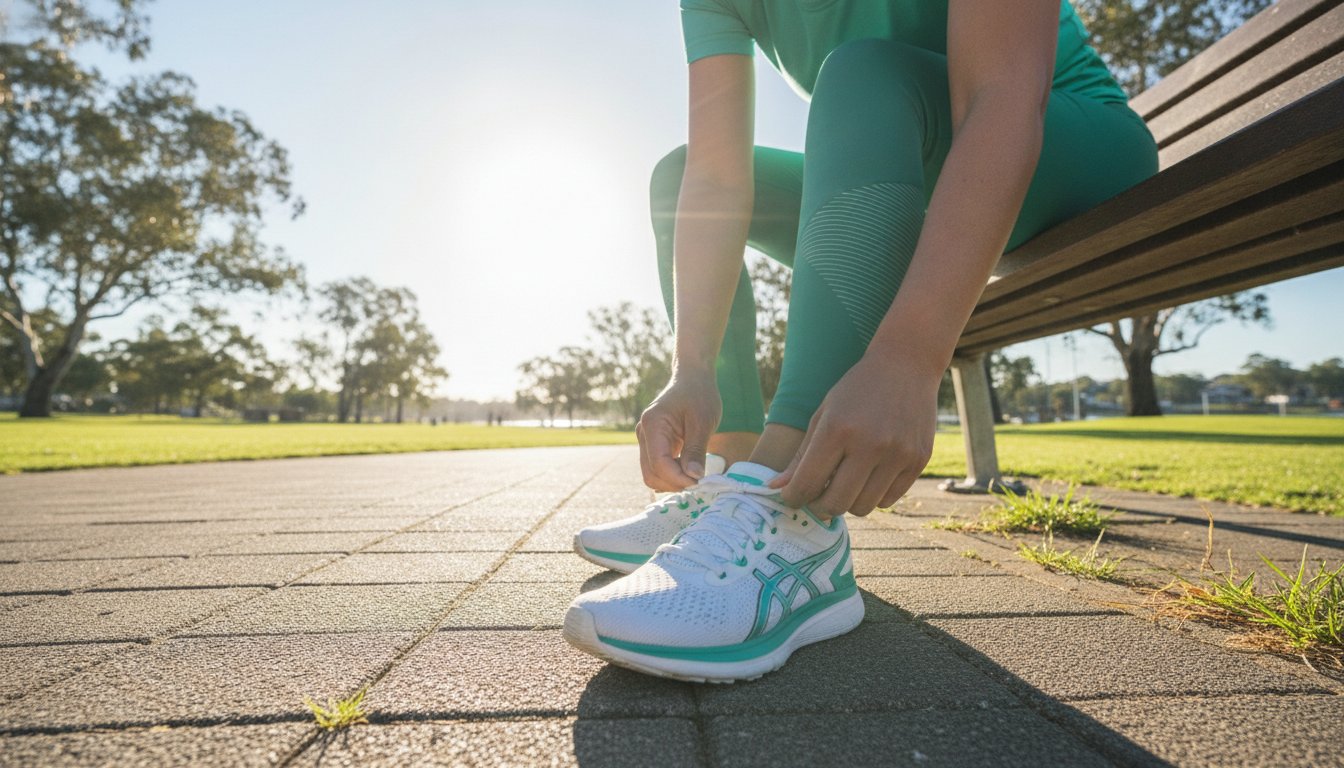
Why does that persistent itch between your toes keep returning the moment you stop using your chemist-bought cream? It’s incredibly frustrating to deal with the disruptive burning and the embarrassment of foot odour, especially when you feel like you’ve followed every instruction on the packet. If you’ve been trapped in a cycle of recurring athlete’s foot, you aren’t alone; the warm, humid Australian climate often turns our favourite shoes into the perfect breeding ground for fungal spores.
We understand that you want more than just a few days of relief; you want a permanent solution that lets you walk comfortably and confidently again. This guide provides a professional roadmap to help you understand the clinical causes of your discomfort and, more importantly, how to break the infection cycle for good. We’ll show you how to effectively sanitise your socks and shoes while introducing the clinical treatments that finally stop the itch and restore your skin’s health.
Key Takeaways
- Understand why tinea pedis often returns after initial treatment and how to break the “dormancy trap” for lasting results.
- Learn the specific reasons why standard chemist creams often fail to fully eradicate athlete’s foot and how your footwear choices impact recovery.
- Identify the clinical signs that indicate it’s time to seek professional intervention from a Sydney podiatrist to prevent further complications.
- Discover a practical hygiene and footwear rotation checklist designed specifically for managing foot health in the high Sydney humidity.
- Explore modern, drug-free alternatives like Anti-fungal Laser Treatment that target the source of the infection safely and effectively.
What is Athlete’s Foot? Understanding Tinea Pedis
Recent data indicates that up to 25% of Australians will develop athlete’s foot at some point in their lives, with roughly 10% to 20% of the general population affected at any given time. Clinically known as tinea pedis, this condition is a contagious fungal infection that targets the skin on your feet. For those seeking a deep dive into the biology of the condition, Understanding Tinea Pedis reveals how these microscopic organisms have adapted to thrive alongside humans for centuries. The primary culprits are fungi called dermatophytes. These organisms don’t just sit on the skin; they actively consume keratin, the tough protein found in your skin, hair, and nails.
The name “athlete’s foot” stems from the fact that the fungus flourishes in communal environments like gym locker rooms and public pools where people often walk barefoot. However, you don’t need to be a marathon runner to catch it. In our humid Australian climate, anyone who wears enclosed shoes for long periods is at risk. While intense itching is the most famous symptom, the infection often presents as red, inflamed skin, scaling, or a distinct, unpleasant odour that doesn’t go away with a simple wash.
The Different Faces of Fungal Infections
Fungal infections don’t always look the same on every person. The interdigital variety is the most common, typically appearing as moist, peeling skin between the fourth and fifth toes. If you notice dry, silvery scales spreading across the soles and sides of your feet, you may be dealing with the moccasin-type infection. This version is frequently mistaken for simple dry skin or eczema, leading many to apply moisturisers that actually help the fungus grow. A third, less common version is the vesicular type, which causes sudden outbreaks of painful blisters on the instep or the bottom of the foot.
Is it Athlete’s Foot or Something Else?
It’s vital to distinguish tinea from other skin conditions like contact dermatitis or psoriasis, as the treatments for these issues are vastly different. Applying a steroid cream meant for eczema to a fungal infection can actually suppress your immune response and allow the fungus to spread further. If left untreated, the skin can crack and weep, creating an entry point for bacteria. This increases the risk of secondary bacterial infections like cellulitis, which causes significant swelling and heat. We provide clear, clinical assessments at our Liverpool and Bankstown clinics to ensure you receive the correct diagnosis before starting any treatment plan. Getting a professional opinion early prevents the “revolving door” of infections that many Australians find so frustrating.
The Cycle of Re-infection: Why Chemist Creams Often Fail
Many Australians find themselves in a frustrating loop where they apply a cream for athlete’s foot, the itching stops, and then the rash returns just as they think they’ve cleared it. While topical antifungal therapy remains the clinical gold standard for simple cases, these treatments often appear to “fail” because of external factors rather than the medication itself. This occurs because of what we call the “Dormancy Trap.” Topical treatments might kill the active fungus on the surface, but they often struggle to address the resilient spores hiding deeper in the skin. Research into The Cycle of Re-infection confirms that fungal spores are incredibly hardy, surviving for months in dark, damp environments like your bathroom floor or the lining of your shoes.
Your favourite work boots or sneakers often act as a fungal incubator. In Sydney’s high humidity, sweat provides the perfect moisture level for these spores to thrive and form biofilms. These are protective layers that shield the fungus from simple soap and water. If your athlete’s foot isn’t fully eradicated, the infection can easily migrate under the nail plate. Once it settles there, it becomes a much more stubborn fungal nail infection that topical creams simply cannot reach. Traditional antifungal paints face a similar challenge, with some studies showing success rates as low as 5.5 per cent because they struggle to penetrate the thick barrier of the nail — a problem that fungus toenail laser treatment is specifically designed to overcome by targeting the infection beneath the nail plate.
Cross-Contamination in the Household
The infection doesn’t just stay on your feet; it travels. Sharing towels or bathmats is a primary way the fungus spreads to family members. Even if you’re careful at home, “barefooting” in communal Sydney gym showers or local swimming pools exposes you to new strains. Many people try to manage this with regular laundry, but cold water washes fail to kill fungal spores. To effectively sanitise your environment, you might also consider professional floor care from Best Carpet Steam Cleaning Melbourne, or follow these essential steps:
- Washing socks and bathmats at temperatures above 60°C.
- Using a specialised antifungal laundry rinse for delicate fabrics.
- Rotating your shoes to allow at least 24 hours of drying time between wears.
The Problem with Over-the-Counter (OTC) Solutions
One of the biggest hurdles we see is the “stop-start” mistake. Because symptoms like itching often resolve within days, many patients quit their treatment too early. This leaves the strongest spores alive to develop resistance. Over time, this creates harder-to-treat strains that no longer respond to standard chemist products. Additionally, if the skin on your heels or soles has thickened, most OTC creams lack the penetrative power to reach the underlying infection. If you’re struggling with a persistent case, our team at Active Footcare can provide a more thorough clinical approach to break the cycle.
When to See a Sydney Podiatrist for Professional Treatment
While many people start their journey at the local chemist, there’s a clear point where self-treatment should end and professional care must begin. If you’ve been consistently applying antifungal creams for more than two weeks without a visible reduction in symptoms, the infection has likely established a resilient foothold. We often see patients who have tolerated athlete’s foot for months, only to seek help when the skin begins to weep or emit a strong odour. You should book a consultation immediately if you notice signs of a secondary bacterial infection, such as significant swelling, warmth in the foot, or any pus-like discharge. These symptoms suggest the fungus has compromised your skin’s integrity, allowing bacteria to enter the deeper tissues.
Another critical reason to seek professional help is the spread of the infection. If the rash moves from the spaces between your toes to the soles of your feet, or if you notice your toenails becoming thick and yellow, the condition is no longer a simple skin irritation. While basic Athlete’s Foot Prevention strategies can manage mild cases, clinical intervention is necessary once the fungus migrates to the nail bed, where topical creams cannot reach. For stubborn nail infections, many of our patients find that fungus toenail laser treatment offers a far more effective solution than months of messy lacquers that fail to penetrate the nail plate. Our team provides a comprehensive approach to stop this progression before it requires more invasive treatments.
The Clinical Advantage: What We Do Differently
A podiatrist doesn’t just hand you a stronger cream. We use professional debridement techniques to carefully remove layers of dead, infected skin. This process is painless but essential, as it allows prescription-strength treatments to penetrate directly into the active fungal site. We also perform a biomechanical assessment to see if your foot structure or walking pattern creates “moisture traps.” For example, toes that overlap or a tight midfoot can prevent airflow, making re-infection almost certain. By addressing these structural issues, we help you achieve a permanent solution rather than a temporary fix.
High-Risk Patients: NDIS and Diabetic Care
For our patients living with diabetes or poor circulation, a fungal infection is never “just” an itch. It’s a significant medical risk. Fungal cracks in the skin can quickly lead to ulcers or cellulitis, which are much harder to manage. At our Liverpool and Bankstown clinics, we provide specialised Diabetes Foot Assessment services to monitor these risks closely. We’re also proud to support our community as a provider of NDIS Podiatry Services, ensuring that everyone has access to essential foot hygiene and clinical care. If mobility is a challenge, we can even arrange a Podiatrist Home Visit to provide these treatments in the comfort of your own home.
The Ultimate Athlete’s Foot Prevention Checklist
Clearing a fungal infection is only half the battle; the real challenge lies in ensuring it doesn’t return the moment you step back into your daily routine. In the high humidity of a Sydney summer, prevention requires a more disciplined approach than in cooler climates. We’ve found that many patients successfully clear their initial athlete’s foot but fall back into old habits that invite the spores to settle again. By implementing a structured prevention protocol, you can create an environment where fungi simply cannot survive.
Daily Foot Hygiene Protocol
A quick rinse in the shower isn’t enough to deter resilient dermatophytes. We recommend washing your feet daily with a tea tree oil soap or a specialised antifungal wash, which helps to lower the fungal load on the skin’s surface. The most critical step, however, happens after you step out of the water. You must adhere to the “Dry Between the Toes” rule. Use a dedicated small towel to pat these areas completely dry, or even use a hair dryer on a cool setting to ensure no moisture remains. For those prone to excessive sweating, applying methylated spirits with a cotton wool ball or using clinical-grade powders can help maintain a dry skin barrier throughout the day.
Footwear and Sock Management
Your choice of materials can either help or hinder your recovery. While many people reach for 100% cotton socks, these actually trap moisture against the skin, creating a damp environment. Instead, choose moisture-wicking materials like bamboo or merino wool, which pull sweat away from the foot. Your footwear also needs a strict rotation system. You should never wear the same pair of shoes two days in a row; they require at least 24 hours to dry out completely. To further sanitise your environment, consider these steps:
- Use UV shoe sanitisers or antifungal sprays inside your work boots every evening.
- Wear “thongs” or waterproof sandals in public change rooms, gym showers, and local pools without exception.
- Wash all hosiery and bathmats in water hotter than 60°C to kill lingering spores.
Sydney Specific Tips: Managing the Summer Heat
Managing sweaty feet, or hyperhidrosis, is particularly difficult during the Western Sydney summer when temperatures regularly climb. If you’ve spent the day at the beach or the local pool, ensure you rinse the salt or chlorine off your feet and dry them thoroughly immediately after. For those working in offices or trades, the right footwear is your best defence. Shoes made from high-quality natural leather or technical athletic mesh are the only materials that provide the necessary breathability to keep feet cool and dry when the temperature hits 35 degrees. If you are finding it impossible to keep your feet dry despite these efforts, we invite you to book a Podiatrist Home Visit so we can help you develop a personalised hygiene plan in your own environment.
Advanced Solutions: Laser Treatment and Mobile Care
When chronic athlete’s foot resists standard topical therapies or begins to migrate into the toenails, we often need to look beyond the chemist shelf for a more definitive solution. Traditional oral medications have long been a common secondary defence, yet they frequently come with the risk of liver stress and unwanted side effects. At Active Footcare, we provide Anti-fungal Laser Treatment as a sophisticated, drug-free alternative. This technology utilises focused light energy to penetrate the skin and nail plate, effectively neutralising the fungal colony at its source without affecting the healthy surrounding tissue.
The process is entirely painless and targets the infection with a level of precision that creams simply cannot match. By destroying the fungi’s cellular structure, the laser helps to break the cycle of re-infection that we discussed in previous sections. This modern approach ensures that you aren’t just managing symptoms, but actively clearing the path for healthy skin and nail regrowth.
Why Choose Anti-fungal Laser Treatment?
We’ve observed high success rates when using laser therapy for patients who have suffered from persistent fungal issues for years. The sessions are quick, typically lasting less than 30 minutes, and require no downtime afterward. This makes it an ideal option for our busy Liverpool patients who need to return to work or daily activities immediately. Because the treatment is non-invasive and doesn’t interact with internal chemistry, it’s exceptionally safe for elderly patients or those managing multiple medications for other health conditions.
Mobile Podiatry: Care in Liverpool, Bankstown, and Beyond
We believe that high-quality clinical care should be accessible to everyone, regardless of their mobility or schedule. Dr. Maher Said and his team provide a comprehensive Podiatrist Home Visit service throughout Liverpool, Bankstown, and the surrounding Western Sydney suburbs. We bring the same professional clinical standards found in our practice directly to your living room or aged care facility. This service is particularly beneficial for NDIS participants or those with mobility challenges who find it difficult to travel to a clinic for regular athlete’s foot management and preventative care.
Take the First Step to Healthy Feet
The journey from disruptive itching and embarrassment to lasting foot health starts with a single professional consultation. By combining advanced laser technology with expert debridement and personalised hygiene roadmaps, we help you reclaim your comfort. Don’t wait for a minor skin irritation to become a permanent nail deformity or a serious bacterial complication. Our team is here to guide you through every step of the recovery process with empathy and clinical expertise. Book your professional foot assessment at Active Footcare today and experience the relief of healthy, fungus-free feet.
Step Toward Lasting Comfort and Foot Health
Breaking the persistent cycle of athlete’s foot requires more than just a temporary topical fix; it demands a comprehensive approach that addresses both the skin and your environment. By understanding how fungal spores thrive in the unique Australian climate and adopting a rigorous footwear rotation, you’ve already taken the first steps toward recovery. However, for those dealing with chronic infections or cases that have begun to affect the nails, advanced clinical intervention provides the most reliable path to permanent relief, an approach advocated by specialists such as Footfall Podiatry who specialise in professional podiatry and chiropody.
Principal Podiatrist Dr. Maher Said and the team at Active Footcare are dedicated to helping you regain your mobility and confidence. Whether you require our specialised Anti-fungal Laser Treatment or need the convenience of a home visit, we’re here to support your journey. As an NDIS Registered Provider, we ensure that professional, empathetic care is accessible to every member of our community. You don’t have to tolerate the discomfort of recurring infections any longer. Schedule a clinical consultation or home visit with Active Footcare today to restore your feet to their best possible health. We look forward to helping you walk with ease again.
Frequently Asked Questions
Can athlete’s foot go away on its own without treatment?
Athlete’s foot rarely resolves without intervention because the fungi are highly resilient and thrive in the warm, damp conditions of your shoes. If left untreated, the infection often spreads across the soles of the feet or into the toenails, where it becomes much more difficult to manage. Proactive clinical care is essential to stop the infection from causing painful skin cracks or secondary bacterial issues.
Is athlete’s foot contagious to other parts of my body?
Yes, the fungus can easily migrate to other areas through direct contact or contaminated items like towels and bathmats. It’s quite common for the infection to spread to the hands or the groin if you scratch the itchy areas between your toes. Maintaining strict hygiene and using separate towels for your feet can help contain the spread while you’re undergoing treatment.
What is the fastest way to get rid of athlete’s foot permanently?
The most effective path to permanent relief involves a professional clinical assessment that addresses both the active infection and your footwear environment. We combine professional debridement to remove infected skin with high-strength treatments and a structured prevention roadmap. This thorough approach ensures we eliminate the “dormancy trap” where resilient spores remain hidden in the skin’s deeper layers.
How do I disinfect my shoes after a fungal infection?
You should use a specialised antifungal spray or a UV shoe sanitiser to neutralise spores hiding in the lining of your footwear. It’s also vital to wash all socks and bathmats in water hotter than 60°C to kill lingering fungi. Rotating your shoes to allow at least 24 hours of drying time between wears prevents the moisture build-up that fungi need to survive.
Can I get a podiatrist to visit my home in Bankstown for fungal treatment?
We certainly provide mobile podiatry services, including a Podiatrist Home Visit, to residents throughout Bankstown and the wider Sydney region. This service ensures that patients with mobility issues or busy schedules can receive professional clinical care in their own environment. Our team maintains the same high clinical standards during home visits as we do in our Liverpool and Bankstown practices.
Is it safe to use anti-fungal laser treatment if I have diabetes?
Anti-fungal Laser Treatment is generally very safe for patients with diabetes because it’s a non-invasive, drug-free procedure. It doesn’t put stress on the liver or interact with other medications you might be taking. We always perform a thorough Diabetes Foot Assessment before beginning any new treatment to ensure it’s the most appropriate and safe choice for your specific health needs.
Why does the skin between my toes turn white and soggy?
White, soggy skin between the toes is a condition called maceration, which occurs when moisture is trapped against the skin for too long. This often happens in the humid Sydney climate when feet aren’t dried properly or shoes lack breathability. This softened skin is highly vulnerable to athlete’s foot, as the fungus easily penetrates the compromised skin barrier to establish an infection.
Does Medicare cover podiatry visits for athlete’s foot?
Medicare rebates for podiatry are available only if you have a Chronic Disease Management (CDM) plan and a formal referral from your General Practitioner. As of July 2026, this rebate is approximately $61.80 to $63.40 for a maximum of five allied health visits per year. We recommend speaking with your GP to see if your specific condition meets the criteria for this government support.