

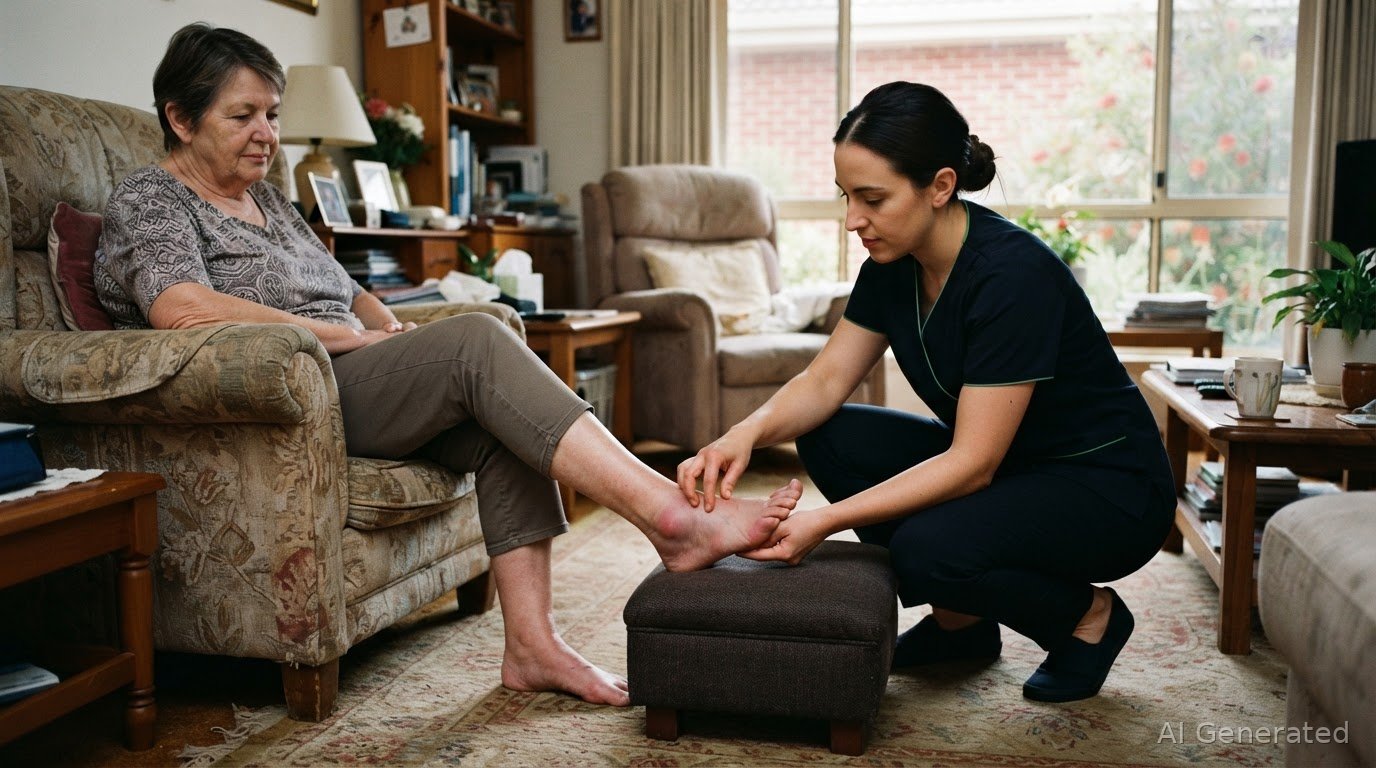
Gout in the foot needs more than pain relief: a podiatrist can assess the affected area, help manage foot and ankle symptoms, and support ongoing care. A podiatrist specialising in gout management in Campbelltown can also consider whether the pain could have another cause, such as a bunion flare-up, stress fracture or joint infection. According to Healthdirect Australia, a gout attack typically settles within one to two weeks without treatment.
Sudden pain, redness and swelling can make a gout flare difficult to manage, especially when walking or wearing shoes becomes uncomfortable. Finding a podiatrist specializing in gout management in Campbelltown starts with understanding the symptoms and how they affect the foot.
This article explains how podiatry can help assess gout-related foot pain, ease pressure on affected joints and support care between flares. You’ll also learn how gout may be distinguished from other foot problems, where ongoing medical management fits, and what to expect from a tailored approach in Campbelltown.
Key Takeaways
- A podiatrist can assess gout-related foot pain and consider other causes, including a bunion flare-up or stress fracture.
- Care for an acute flare can focus on easing pressure and supporting foot function, while medication decisions form part of medical management.
- Urate-lowering medication addresses gout beyond the immediate pain of a flare; ongoing care may involve a GP or specialist.
- Diet and lifestyle adjustments may support gout management, but they rarely control the condition on their own.
- For recurring symptoms or difficulty attending a clinic, a podiatrist home visit can support assessment and ongoing foot care.
Foot-focused gout diagnosis and acute pain relief
A foot-focused assessment considers the painful joint, symptom pattern and medical history. Care can then address pressure and movement while helping determine whether gout may explain the symptoms.
Seek urgent medical attention if symptoms are rapidly worsening or a joint infection is suspected. Gout can resemble an infection, so a painful, red, swollen joint needs careful assessment rather than assumptions about the cause.
Foot-focused gout assessment
At an appointment, a podiatrist assesses where pain, swelling and redness occur, how symptoms began and relevant medical history. Gout often affects the big toe joint, but the ankle, heel, instep and other foot joints can also hurt. This information helps guide assessment and consider other explanations, such as a stress fracture or bunion flare-up.
When further investigation is needed, assessment may involve blood or joint-fluid tests. Joint aspiration can collect fluid to check for uric acid crystals. Digital X-rays or ultrasound may help assess joint damage and rule out fractures or infection during a flare.
Pain and inflammation relief
During an acute flare, care focuses on pain and inflammation while reducing pressure on the affected joint. A podiatrist may recommend ways to reduce load on the painful area and discuss medication options with the appropriate health professional. The approach depends on a person’s health conditions, current medicines and symptom severity.
Non-steroidal anti-inflammatory drugs (NSAIDs), including ibuprofen and naproxen, may relieve gout pain quickly. They can cause stomach side effects and may not suit people with high blood pressure, kidney problems or a sensitive stomach. Colchicine targets inflammation and may be considered when NSAIDs are unsuitable, including for some people with heart or stomach conditions.
Corticosteroids may also help control inflammation during an acute flare. Medication decisions need to account for existing conditions and possible interactions, so don’t start or change treatment without suitable clinical advice. A podiatrist assesses foot symptoms and guides foot-focused care; medication management may involve other healthcare professionals.
Reducing pressure can make standing and walking more manageable during a flare. Footwear that avoids rubbing the tender joint and temporary offloading strategies may help limit irritation. The right approach depends on the affected joint and how much everyday movement aggravates it.
Gout attacks in the foot typically subside within one to two weeks without treatment, according to Healthdirect Australia. That timeframe doesn’t replace assessment: severe pain can peak early, and gout can be confused with conditions needing different care. A clear diagnosis helps guide an appropriate response and follow-up for recurring flares.
How Can a Podiatrist Treat Gout?
A podiatrist focuses on how gout affects foot and ankle function, while uric-acid-lowering medication addresses the underlying condition. Care may therefore involve coordination, rather than relying on foot care alone.
During a sudden flare, foot-focused care can address painful movement and pressure on affected joints. Urate-lowering therapy has a different purpose: it reduces uric acid levels over time and helps prevent future flares. It is not the same as medication used for immediate pain and inflammation relief.
Allopurinol and febuxostat are examples of urate-lowering therapy. Probenecid is a uricosuric medicine that increases uric acid excretion through the kidneys. A GP manages uric acid levels and medication, while a podiatrist addresses foot and ankle symptoms. Medication choice and monitoring depend on the person’s health and treatment plan.
Does Medicare or private health insurance cover podiatry for gout in Australia? Coverage depends on eligibility and individual circumstances. Medicare support may relate to a person’s eligible care arrangements, while private health fund benefits depend on the policy. Check the relevant terms before relying on a rebate.
Do you need a GP referral to see a podiatrist in Campbelltown for gout? Referral requirements can depend on the funding pathway or care arrangement. A GP can help coordinate gout medication and uric acid monitoring, while a podiatrist assesses foot-related symptoms.
Which podiatrists in Campbelltown, NSW treat gout? Look for a podiatrist who assesses foot and ankle conditions and considers gout alongside other possible causes of pain. Their role is to evaluate the affected foot, support function and coordinate care when medication management is needed.
How can you book a gout podiatry appointment in Campbelltown, and what are the wait times? Contact a podiatry practice to arrange an appointment and explain how gout symptoms are affecting your foot. Wait times depend on appointment availability. Describe whether symptoms are active and how they affect walking so the practice understands your needs.
Between flares, ongoing foot care can address joint support and mobility. Custom orthotics may help support or offload joints affected by repeated attacks. If gout affects multiple joints or recurs more than two times a year, involving a rheumatologist may support broader management. Diet and lifestyle strategies can complement care, but they rarely control gout on their own.
For foot-focused assessment and support with mobility, explore podiatry care for foot and ankle symptoms. Coordinated care keeps immediate foot concerns distinct from the longer-term management of uric acid.
A broader plan may include lifestyle changes, dietary recommendations and medication management. Urate-lowering therapy addresses gout’s underlying cause, not just attack pain. Foot care may include custom orthotics, removal of painful tophi, wound treatment and protective footwear recommendations.
Distinguishing gout from other causes of foot pain
Gout is one possible cause of foot pain, but its symptoms can overlap with other problems. A podiatrist considers the affected joint, how symptoms began and whether redness or swelling is present. A sudden, intensely painful joint may fit a gout attack, but symptoms alone don’t confirm the diagnosis.
The big toe joint is a common first site, but gout can also affect the ankle, heel, instep and metatarsals. It may involve the knee or other toes as well. Location matters because pain elsewhere in the foot can have another cause, even when walking feels similarly uncomfortable.
A bunion flare-up, stress fracture or joint infection can resemble gout. Swelling around the big toe, for example, doesn’t by itself distinguish gout from a bunion-related problem. A podiatrist examines the painful area and considers the symptom pattern and medical history. If infection or fracture is a concern, assessment needs to account for that possibility rather than treating every painful joint as gout.
Heel, arch and forefoot pain also need location-specific assessment. Gout may affect the heel or forefoot, including the metatarsals, but arch pain alone doesn’t establish gout. A clinician considers where tenderness occurs and how the foot moves. Knee pain alongside foot symptoms may also be relevant because gout can affect that joint.
Assessing a child’s foot pain means considering their age, the painful area and how they move. A child with heel pain, for instance, needs an assessment focused on that presentation, not assumptions based on adult gout symptoms. Assessment can help identify whether symptoms fit a foot or ankle problem requiring further investigation.
Monitoring foot health is useful when symptoms return or change location. A podiatrist can compare the affected joints and note whether swelling, redness or changes in movement accompany each episode. Gout involves uric acid crystals accumulating in joints, while kidney disease can be associated with secondary gout. Sharing relevant medical history helps put foot symptoms in context.
Assessment can also help determine when foot pain needs broader medical attention. A painful, red, swollen joint can have causes requiring different care, including infection. If gout affects multiple joints or recurs more than two times a year, involving a rheumatologist may support ongoing management. Lifestyle factors can contribute to flares, but they don’t identify the cause of a particular painful joint.
If you’re looking for a podiatrist specializing in gout management in Campbelltown, choose an assessment that considers both the painful site and the wider symptom pattern. This can help distinguish possible gout from other foot and ankle conditions and guide appropriate follow-up.

Podiatrists’ role in gout diagnosis and management
A podiatrist assesses how gout affects the feet and ankles and considers whether symptoms may fit another condition. Good care distinguishes foot-focused support from treatment aimed at lowering uric acid levels.
Do Campbelltown podiatrists specialise in gout management or gout-related foot pain? Podiatrists assess foot and ankle symptoms, including pain, swelling and movement changes associated with gout. Their role focuses on the lower limbs, rather than managing uric acid medication.
Assessment starts with symptoms and medical history. A podiatrist considers which joints are affected and how the problem developed. Gout involves uric acid crystals accumulating in joints, often the big toe. When needed, blood or joint-fluid tests can contribute to assessment; joint aspiration can test fluid for crystals.
Other possible causes matter too. Fractures and infections can produce symptoms resembling gout, so assessment needs to consider them. Digital X-rays or ultrasound may help assess joint damage and rule out fractures or infection during a flare. Findings help guide foot care and whether further medical input is appropriate.
How do podiatrists coordinate gout care with a GP or rheumatologist? A GP manages uric acid levels and medication, while a podiatrist addresses foot and ankle symptoms. If gout affects multiple joints or keeps recurring, a rheumatologist can support broader management and monitor uric acid levels.
This division of care helps clarify which professional manages each part of treatment. A podiatrist’s assessment can inform the wider care plan, while medication decisions and monitoring remain with the appropriate medical practitioner. For example, recurring big toe pain may call for foot-function support alongside medical management of gout.
What qualifications or experience should you look for in a podiatrist treating gout? Look for a practitioner experienced in assessing gout-related foot and ankle symptoms, considering alternative causes and explaining when GP or rheumatologist input is relevant. A useful discussion covers the assessment approach, the practitioner’s role and how foot-care recommendations fit the broader plan.
For recurring joint symptoms, podiatry may also address movement and pressure. Joint mobilisation and custom orthotics can support or offload joints affected by repeated attacks. These measures focus on function; they don’t lower uric acid or replace medication management. A podiatrist can assess how symptoms affect walking and whether joint support fits the care plan.
Effective gout management links careful foot assessment with appropriate medical care. When the diagnosis is uncertain, symptoms change or several joints are involved, coordination helps keep both the underlying condition and its effects on mobility in view.
Dietary and lifestyle guidance
Diet and lifestyle can influence gout flares, but they rarely control the condition alone. A personalised plan considers food choices, hydration, medical history and how painful joints affect everyday mobility. This guidance complements medical treatment rather than replacing medication that manages uric acid levels.
Purines are found in some foods, and breaking them down produces uric acid. Reducing purine-rich foods may be part of dietary changes for gout. Excessive shellfish intake is one factor linked with flare-ups. A practical discussion focuses on usual eating patterns and realistic adjustments, rather than a restrictive plan that overlooks other health needs.
Hydration matters because dehydration can contribute to gout flare-ups. Increasing fluid intake is a common management strategy, but the appropriate amount depends on individual circumstances. A clinician can consider relevant health conditions, including kidney disease, when discussing hydration. This is particularly important if a person already has fluid advice as part of their medical care.
Alcohol is another factor to consider. Excessive alcohol consumption can contribute to flares, so discussing drinking habits can help shape a more tailored approach. The aim is to identify patterns that may coincide with painful joints or swelling and consider manageable changes. A podiatrist can also note whether foot symptoms repeatedly affect walking or everyday activities.
Excess weight can contribute to higher uric acid levels and increase the risk of gout flare-ups. Weight management may therefore form part of broader lifestyle support, alongside dietary changes and hydration. The discussion should account for mobility: a painful big toe or ankle can make activity difficult, so any plan needs to recognise how symptoms affect movement.
These adjustments support care but aren’t a stand-alone cure. Diet and lifestyle modifications very rarely control gout disease on their own. Medical management may be needed to address uric acid levels, while a podiatrist assesses foot symptoms and their effect on function. Keeping these roles distinct helps avoid relying on food changes alone during recurring attacks.
At an appointment, a podiatrist can consider how flare patterns affect foot health, walking and footwear tolerance. For example, swelling around a painful joint may change how a person loads the foot. This information can guide foot-focused strategies while the broader gout plan addresses medication, dietary factors and relevant health conditions.
For ongoing management, discuss dietary and hydration changes with your healthcare team, particularly if kidney or other medical conditions affect care. A consistent plan considers food choices, alcohol intake, weight and mobility, then reviews how these factors relate to recurring symptoms. Addressing several contributors is more useful than expecting one dietary change to prevent every flare.
If gout symptoms are affecting walking, arrange a foot-care assessment to discuss mobility and support for the affected joints.
Active Foot Care: Podiatrist Home Visit
Active Foot Care’s Podiatrist Home Visit brings foot care to people who find travelling difficult. If gout-related pain affects walking, a podiatrist can assess your foot symptoms and how they affect movement in your usual surroundings.
Ongoing care may include Custom Orthotics to support or offload affected joints, or Gait Analysis to assess walking patterns. These services focus on foot function and mobility; medication decisions and uric acid management remain with the relevant medical practitioner. For people managing diabetes alongside gout, a Diabetes Foot Assessment provides a focused review of foot health.
Contact Active Foot Care to discuss whether a Podiatrist Home Visit suits your foot-care needs.
Take the next step towards confident foot care
Ongoing care can support what you want to keep doing, whether that means walking comfortably, meeting work demands or staying active with family. Explain how your foot symptoms affect these priorities at your appointment. This gives a podiatrist specializing in gout management in Campbelltown a practical basis for discussing foot function and care that supports your daily routine.
Gout care also involves coordinating different needs. A foot-focused plan can complement medical management, with attention to changes in symptoms and movement over time. If travelling to an appointment is difficult, a home visit can make it easier to discuss your foot-care needs in familiar surroundings.
Choose a next step that feels manageable and keeps your mobility in view. Contact Active Foot Care to discuss gout care and the podiatry support that may suit your needs. A clear conversation can help you move forward with greater confidence and a plan grounded in your priorities.
Frequently Asked Questions
Can you get gout in the metatarsals or second toe?
Yes, gout can affect the metatarsals and toes beyond the big toe. Inflammation may occur, for example, around a metatarsophalangeal joint near the base of a toe. Pain in the second toe can also have another cause, so its location alone doesn’t confirm gout. Assessment considers the joint involved, symptom pattern and medical history, with further tests considered when needed to clarify the diagnosis.
What happens if gout is left untreated?
Untreated gout can cause lasting joint damage and hard uric acid deposits called tophi. These deposits can form around joints between flares and erode bone and cartilage. A painful episode settling doesn’t necessarily mean the underlying condition has resolved. If attacks recur, medical follow-up can address ongoing gout management, while foot care assesses changes affecting movement and joint function.
What gout treatments can a podiatrist provide for foot and toe symptoms?
A podiatrist can assess foot and toe symptoms, consider other causes of pain and recommend foot-focused support. If repeated attacks affect how the foot bears weight, for example, joint mobilisation or custom orthotics may help support or offload the area. Podiatrists focus on foot and ankle symptoms; a GP manages uric acid levels and medication as part of broader gout care.
Which podiatrists in Campbelltown, NSW treat gout?
Choose a podiatrist who assesses foot and ankle conditions and considers gout alongside other possible causes of pain. They can evaluate the affected foot, support function and coordinate care when medication management is needed.